
Need a new phone? You’ve come to the right place.
With new handsets launching left, right and centre, it can be difficult to keep track of what’s worth buying. Your decision is easier if you want an iPhone – Apple only releases a few handsets each year, meaning your options are relatively limited. Your choice of Samsung Galaxy phones is more widespread, though it makes things more straightforward if you’re set on Samsung.
But what if you’re considering any phone, including all Android phones? Your decision gets a lot more difficult, which is where this guide comes in.
We review every phone that’s worth buying – that’s over a hundred every year – but only the absolute best make the grade here. If you’re looking for something more affordable, see our best budget phones and best mid-range phone guides instead.
We can easily recommend all the phones below, but each model stands out for individual reasons. Whether you’re looking for a phone with AI features, great cameras, brilliant gaming performance, superb battery life, a folding screen or simply value for money, there’s something here that will appeal to you.
Samsung, Google, Apple, Xiaomi, OnePlus, Honor, Motorola and Nothing (via sub-brand CMF) are all represented here. Nokia, Realme, Asus, Huawei, Honor, Vivo and Sony miss out, but you will find them in other phone buying guides. At the bottom of this article, you’ll also find detailed buying advice, helping you to pick the perfect phone for your personal needs.
For more information and advice, see our full guide to the best phone deals, plus dedicated round-ups of the best Samsung Galaxy deals and best Google Pixel deals.
Best phone 2025
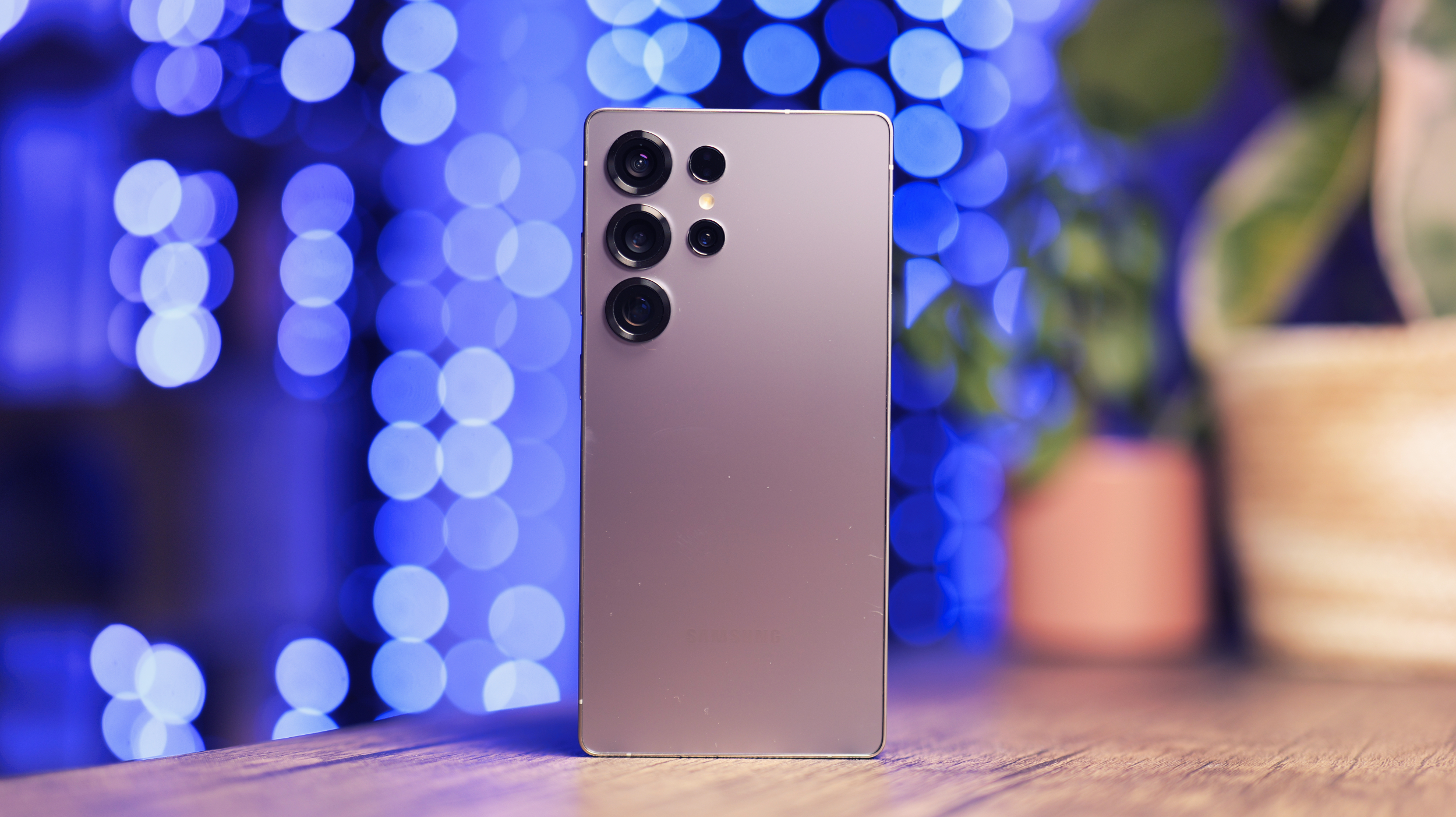
1. Samsung Galaxy S25 Ultra – Best overall
Pros
- Top-tier performance
- Impressive cameras
- Gorgeous anti-reflective screen
- The most advanced AI around
- Slick software experience
Cons
- Very similar to S24 Ultra
- S Pen has no Bluetooth
- Expensive
The S25 Ultra looks almost identical to the S24 Ultra, and from a hardware perspective, it is. But this doesn’t stop it from being the best phone you can buy right now, provided money is no object.
There are now even fewer weaknesses than before, with even more processing power, small but noticeable camera improvements and a new anti-reflective screen that puts the 6.9-inch, 120Hz OLED panel in a league of its own. The newly rounded corners make it easier to hold.
You also get the best software experience we’ve ever seen on a Samsung phone (and maybe an Android phone full stop), with an extensive suite of genuinely useful AI features and class-leading seven-year update support.
However, it’s by no means perfect. It’s a shame to see the built-in S Pen downgraded to be without Bluetooth, while such a heavy, bulky phone won’t be for everyone. It’s also still very expensive.
But if you want the best of the best when it comes to smartphones right now, the S25 Ultra is the device to get.
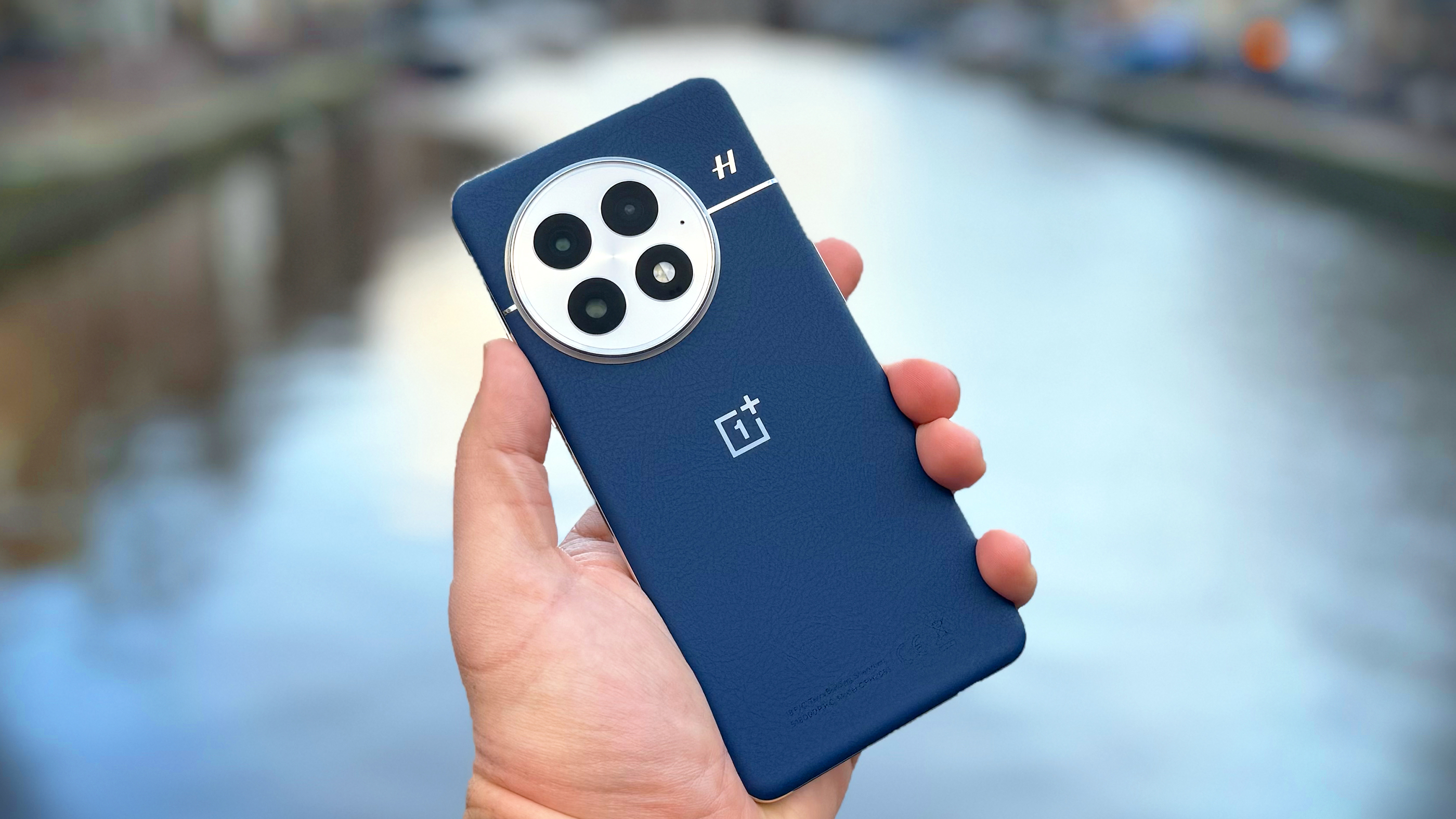
2. OnePlus 13 – Superb all-rounder
Pros
- Stellar performance
- Great user experience with nice AI additions
- Incredible battery life
- Super-fast charging
Cons
- Some camera niggles
- Magnetic accessories only work with case
The OnePlus 13 takes what made the OnePlus 12 so great and makes it even better. This is the best phone OnePlus has ever made, and up there with the finest around right now.
What makes it so good? It’s a brilliant combination of top-class hardware, slick software and extensive support, meaning the phone could be your main phone for many years to come.
Highlights include the stellar Snapdragon 8 Elite performance, a gorgeous 6.82-inch OLED screen and incredible battery life with 100W charging support. Those factors alone are enough to make it worth considering.
But the OnePlus 13 is equally impressive on the software side, with Oxygen OS one of the best Android skins around and lots of useful AI features. Four years of OS updates and six years of security updates isn’t class-leading, but plenty good enough for most people.
With all that in mind, and a price tag that significantly undercuts many rivals, why wouldn’t you buy it? Unfortunately, while good enough for most people, the cameras are a clear step down from the best around, which will be a dealbreaker for many.
If you can look beyond that and the fact a case is required for MagSafe-style magnetic charging accessories, the OnePlus 13 will serve you very well.
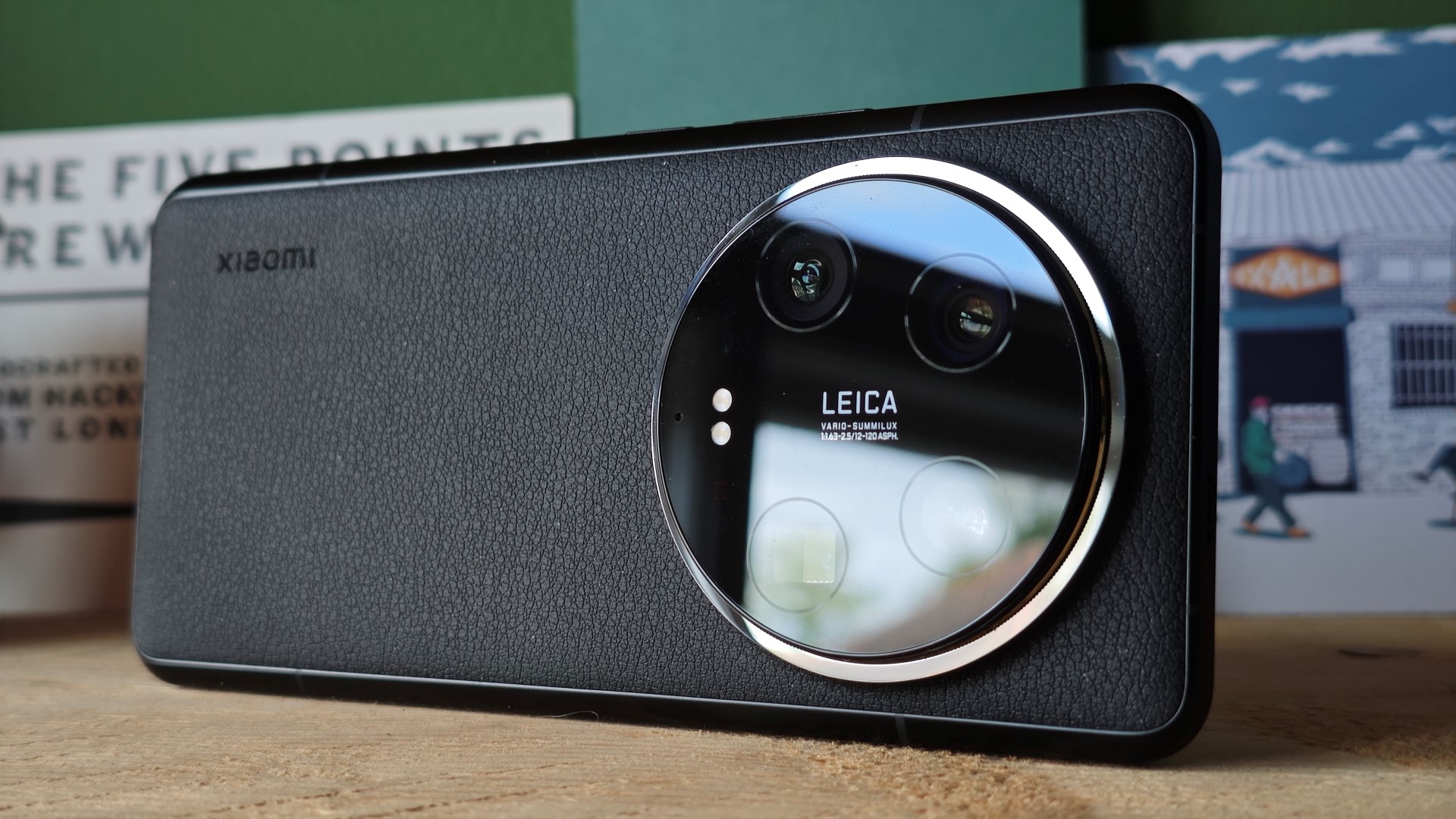
3. Xiaomi 14 Ultra – Best cameras
Pros
- Incredible photography
- Stunning vegan leather design
- Gorgeous curved screen
- Flawless performance
- 90W fast charging
Cons
- Expensive, with Photography Kit sold separately
- Mixed HyperOS software
- Not available in the US
Xiaomi’s flagships have taken excellent photos for a few years now, but the 14 Ultra takes things to the next level.
It’s the first smartphone that can genuinely replace a DSLR for most people, such is the quality and versatility of the system on offer. It includes four 50Mp rear lenses and a 32Mp selfie camera, all of which take superb photos in basically any environment.
And while expensive, the optional Photography Kit accessory makes the experience even closer to a real camera.
With a gorgeous design, stunning display, great performance and solid battery life supported by 90W fast charging, the 14 Ultra is one of the few phones that justifies its sky-high price tag. However, that also makes it unaffordable for many people, while the HyperOS software experience still isn’t great.
Those two factors prevent it from being higher in this list, but if photography is your top priority, this is the phone to buy.
If you’d rather something more affordable, the regular Xiaomi 14 is nearly as good when it comes to photography. However, the Xiaomi 15 series might not be far away.
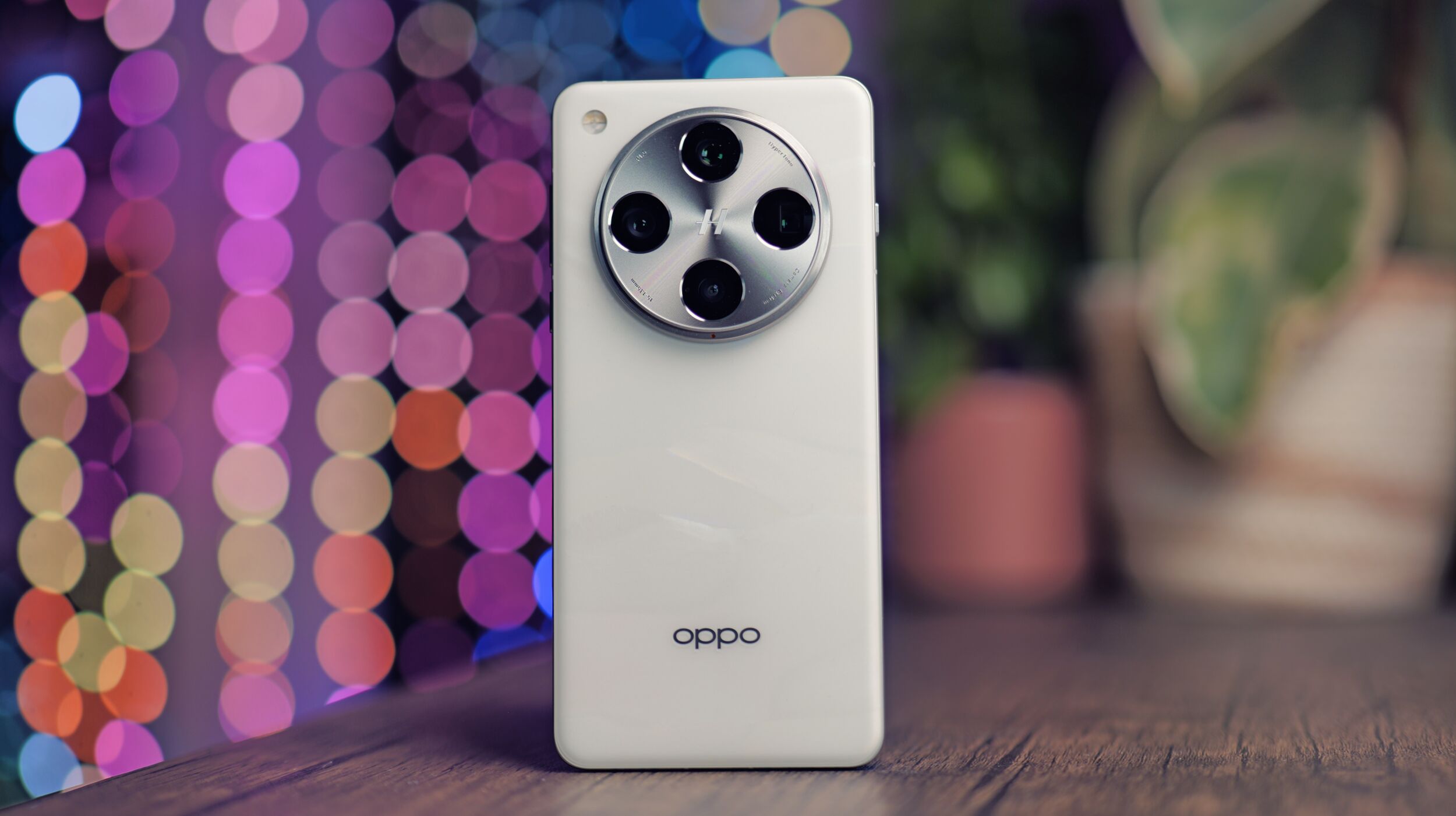
4. Oppo Find X8 Pro – Superb all-rounder
Pros
- Awesome camera system
- Great battery life
- Super powerful
- New camera control button
- Useful AI features
Cons
- Smaller sensors than the Find X7 Ultra
- No autofocus on the selfie camera
- Magnetic charging only works with case
- Not available in the US
After Oppo decided not to release its Find X6 and Find X7 series flagships outside China, the Find X8 series marks a triumphant return to Europe.
Both the Find X8 and Find X8 Pro are excellent phones, but the latter has a slight upper hand. It’s powerful, good-looking, offers amazing battery life and has plenty of software perks.
But it’s the cameras that set it apart from rivals, and turn a great phone into a superb one. For pure image quality, it’s probably only the Xiaomi 14 Ultra that can rival it right now for UK buyers.
The phone isn’t without its compromises – there are a couple of small camera downgrades compared to the Find X7 Ultra, while the software takes some getting used to – but there’s no doubt that the Find X8 Pro is up there with the very best phones you can buy right now.
5. Google Pixel 9 Pro XL – A great alternative
Pros
- Impressive cameras
- Superb display
- Some of the best software around
- Seven years of updates
Cons
- Expensive
- Rather generic design
- Battery life could be even better
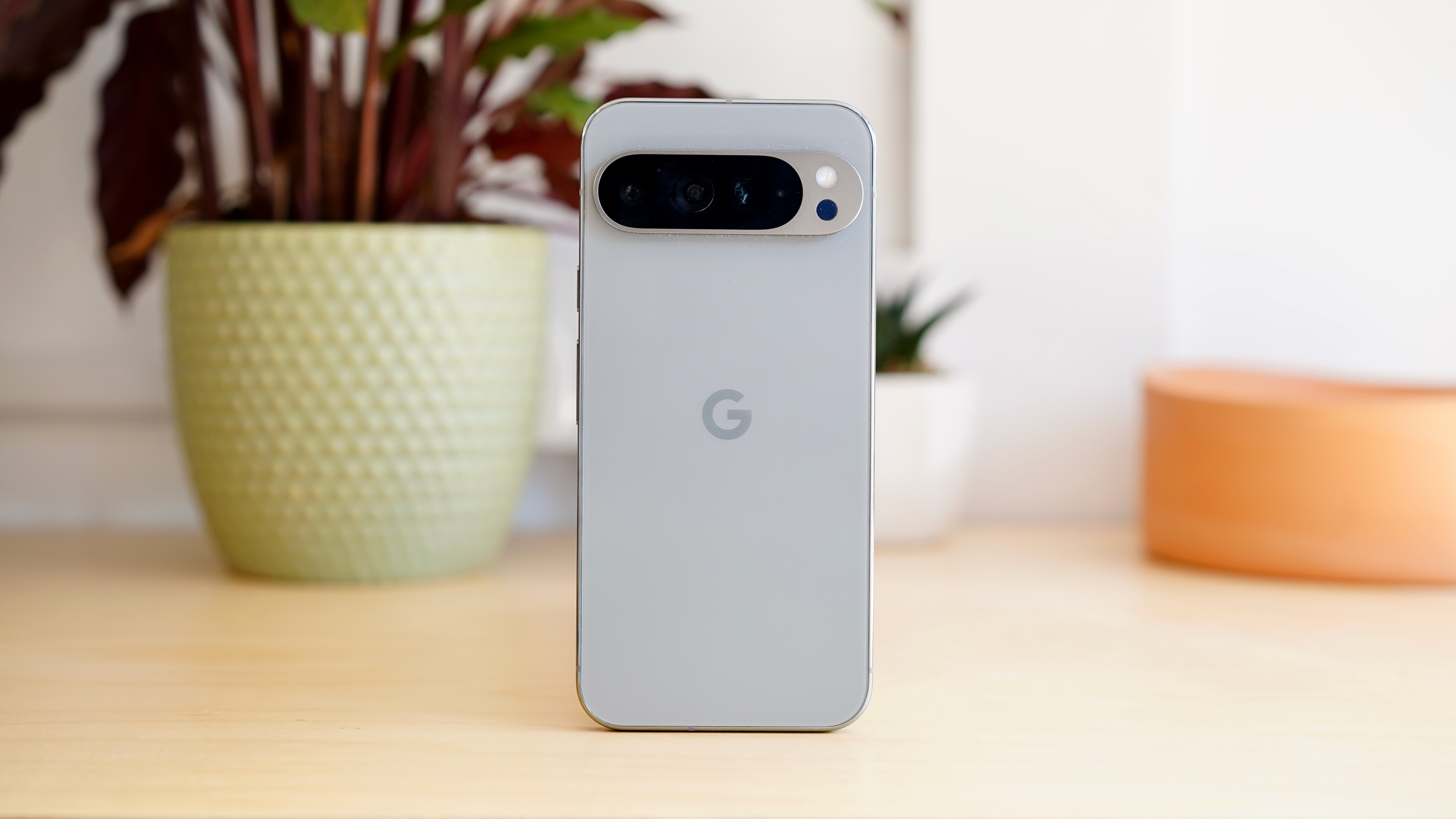
If none of the options above appeals you to, a Pixel 9 is probably your best bet. And if you want the absolute best experience, the newly-branded Pixel 9 Pro XL is the one to go for.
While not quite the standout phone we saw with the Pixel 8 Pro, the 9 Pro XL still delivers a compelling experience in almost all key areas.
The cameras are the highlight once again, offering vibrant, high-contrast photos while maintaining key details. That includes in low-light conditions, even if the brightening is by no means true to life. A quality ultrawide lens and 5x optical zoom from the telephoto make it an impressively versatile camera system, while selfies from the upgraded front lens are excellent.
Elsewhere, the excellent 6.8-inch display is a joy to use, while Google’s Tensor G4 chipset delivers solid performance. And the build quality is higher than ever, even if the move to a more generic design will disappoint some people.
Google continues to ace the software experience, even if the 9 Pro XL runs Android 14 out of the box and AI features are hit-and-miss. Google’s commitment to seven years of both OS and security updates is still yet to be beaten on any phone.
Battery life is decent rather than a key strength, while 37W charging feels slow. Ultimately, whether you buy the 9 Pro XL depends on whether you think the even higher price tag is worth it.
If not, consider the Pixel 9 Pro or regular Pixel 9 instead, though there are downgrades to be aware of.
6. Apple iPhone 16 Plus – Best iPhone
Pros
- Large Super Retina XDR display
- Smooth performance
- Excellent battery life
- Useful Camera Control button
Cons
- No 120Hz refresh rate
- Incomplete AI at launch
- Starts at 128GB storage
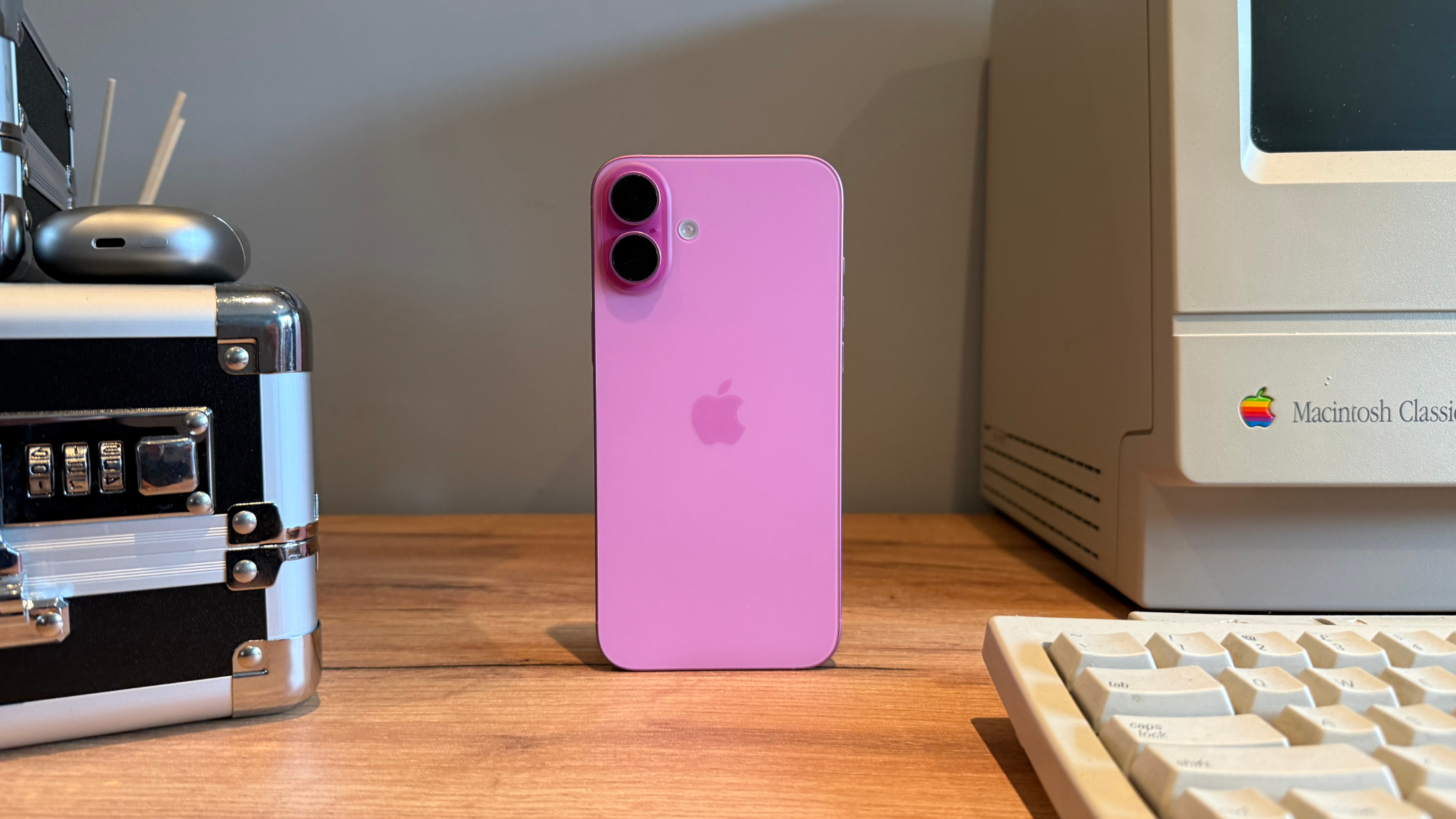
From the 2024 line-up, the iPhone 16 Plus is the sweet spot with its combination of size, price and features.
Of course, like all the 16 range, it lacks Apple Intelligence at launch so you may want to wait to find out if that’s any good if it’s a critical part of your buying decision.
Otherwise, you’re getting an all-rounder you know will get AI features in the near future and it’s closer to the Pro Max than usual considering the Action Button has now trickled down and the new Camera Control button isn’t exclusive to the Pro models.
The screen isn’t as big or impressive as the Pro Max and you get a regular A18 chipset but these will be plenty good enough for most people. You also miss out on a telephoto lens and 1TB storage but again, a lot of people won’t mind these trade-offs for a more reasonable price.
7. OnePlus Nord 4 – Best mid-range phone
Pros
- Premium build
- Great display
- Strong main camera
- Solid battery life
- Six years of security updates
Cons
- Polarising design
- Disappointing ultrawide camera
- No telephoto camera
- Not available in the US
For a few years now, Google’s A-Series handsets have offered the best value for money in the entire smartphone. However, despite plenty of strengths, the Pixel 8a has been usurped in this regard by the OnePlus Nord 4.
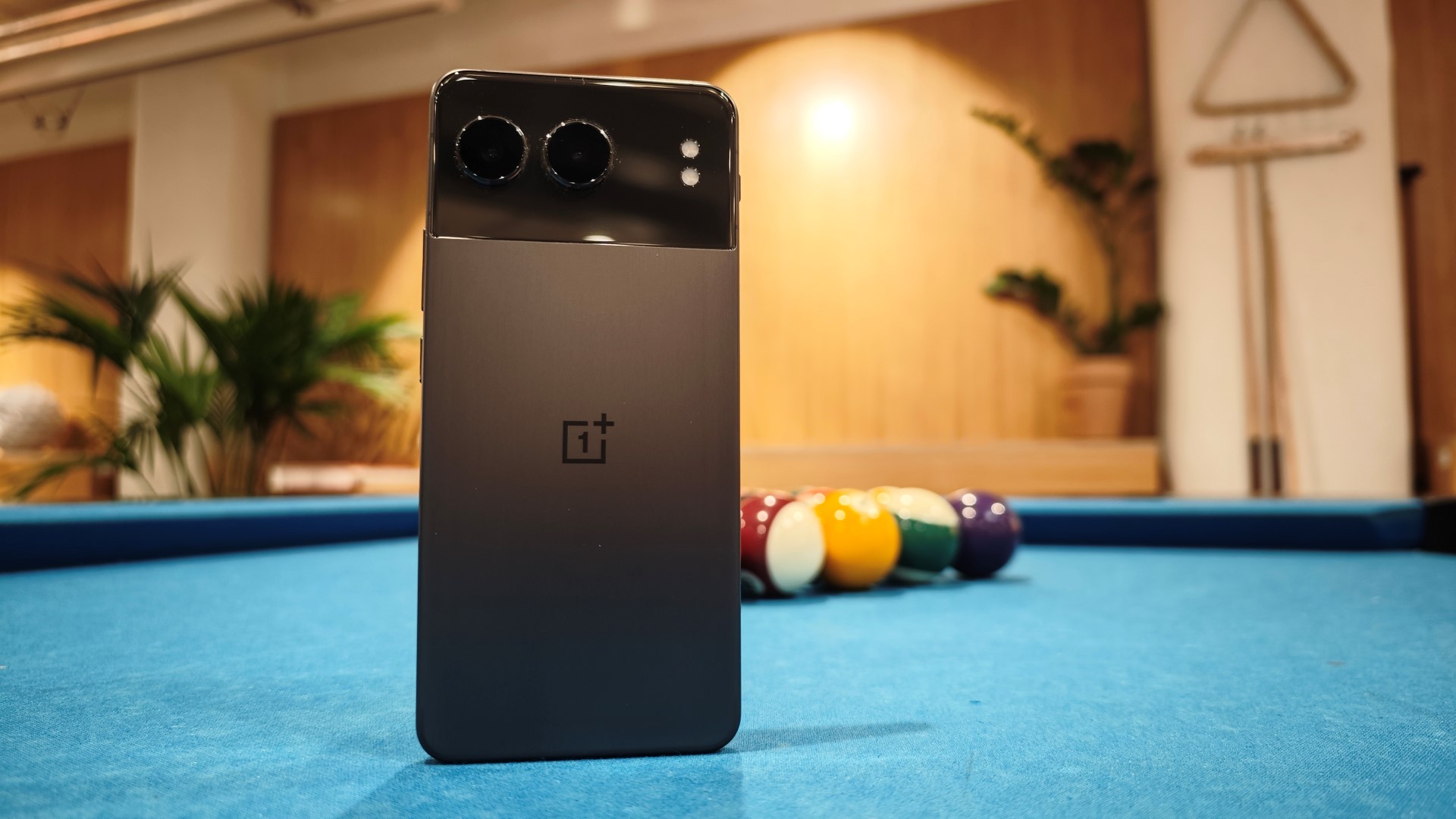
That starts with superb build quality, with one piece of sturdy aluminium extending across the back and sides of the phone. At the front is a gorgeous 120Hz OLED screen, supplemented by strong performance and all-day battery life.
Provided you’re a fan of the design, the compromises here are concentrated around the cameras. There’s no telephoto lens, meaning zoom shots are disappointing, while the ultrawide OnePlus has opted for instead flatters to deceive.
However, if you primarily use the main lens anyway, you won’t be disappointed. And with six years of security updates, the Nord 4’s longevity is almost as good as the Pixel 8a’s.
Overall, it’s the leading choice if you’re in the market for a mid-range phone.
8. Motorola Razr 50 Ultra/Razr+ (2024) – Best foldable phone
Pros
- Incredible outer display
- Notable camera improvements
- Unique software features
- Solid battery life
Cons
- Rivals offer longer software support
- Can get noticeably warm
- Poor internal camera
When you think of flip phones released in 2024, Samsung’s Galaxy Z Flip 6 is probably the first one that comes to mind. But while it is worth considering, the Motorola Razr 50 Ultra (known as the Razr+ (2024) in some markets) is a better choice for most people.
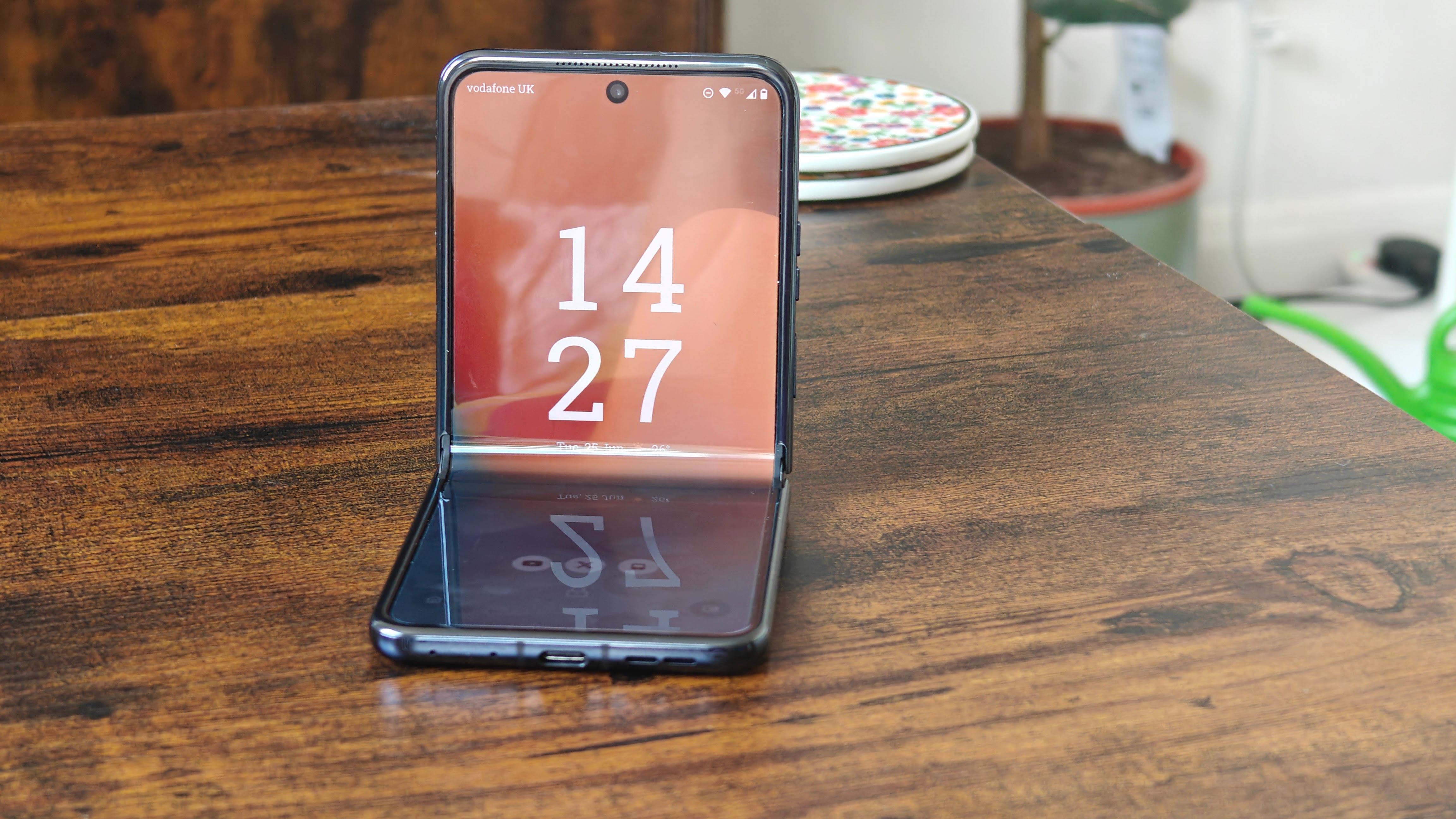
The 4-inch, 165Hz outer screen is the main reason for this. Not only is it significantly larger than rivals, you can run any app you like on it without any complicated workarounds. The 6.9-inch, 165Hz internal display is just as impressive, with a crease that’s barely noticeable.
While not quite as good as the best camera phones, the Razr 50 Ultra’s rear cameras can take great shots in a range of environments. However, Motorola has gone for 2x telephoto rather than ultrawide lens, while the internal selfie camera isn’t very good.
But with slick software (despite some cover screen bugs), solid battery life and decent charging speeds, Motorola is onto a winner. The Z Flip 6 is better in some areas, including long software support, but the Razr is a better all-round pick for most people.
If you’re looking for something more affordable, consider the regular Razr 50 instead. And if a book-style foldable is your preference, go for the Google Pixel 9 Pro Fold.
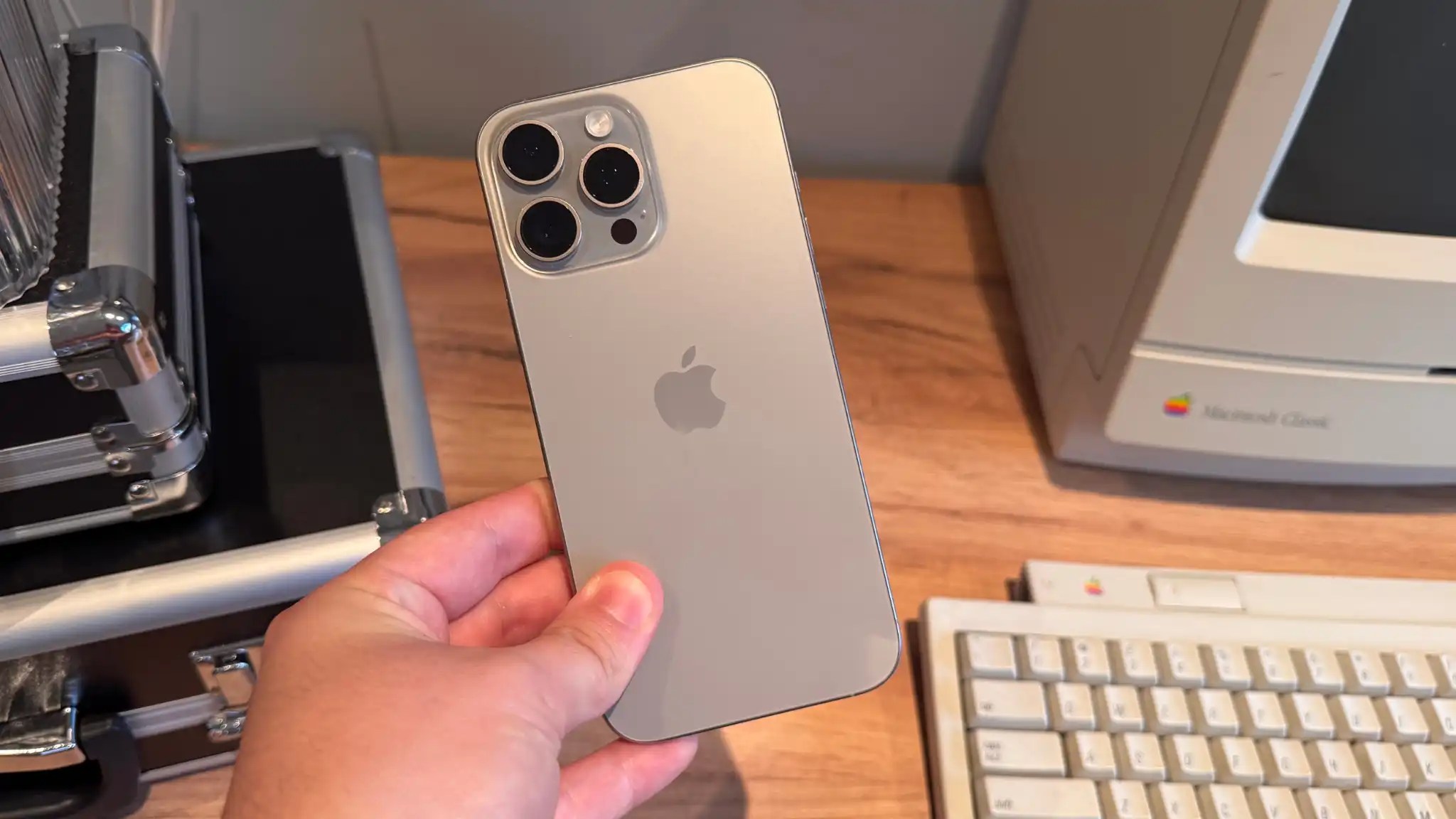
9. Apple iPhone 16 Pro Max – Best premium iPhone
Pros
- Stunning display
- Premium design & build
- Powerful performance
- Excellent battery life
- Useful Camera Control button
Cons
- Incomplete AI features at launch
- Only 8GB of RAM
- Expensive
With its size and price, it won’t be the right fit for everyone but Apple throws everything at this beast so it’s the one to get if you want to max out in all areas.
The phone builds on what Apple does best – elegant design, powerful performance, and excellent cameras. And it’s the Max that gets the best of all worlds as long as it’s not too big for you to handle on a daily basis.
While it might look almost identical to its predecessor, those upgrading from an iPhone 14 or earlier will experience a much bigger jump.
Display, photography and performance are the main perks here with a huge and stunning 6.9-inch Super Retina XDR OLED, plenty of camera tech including the new Camera Control, A18 Pro chipset and the best battery life on an iPhone.
The main downside right now, and this applied to the whole range, is that Apple Intelligence isn’t available so if this is an important element then wait until the verdict is in on Apple’s AI features.
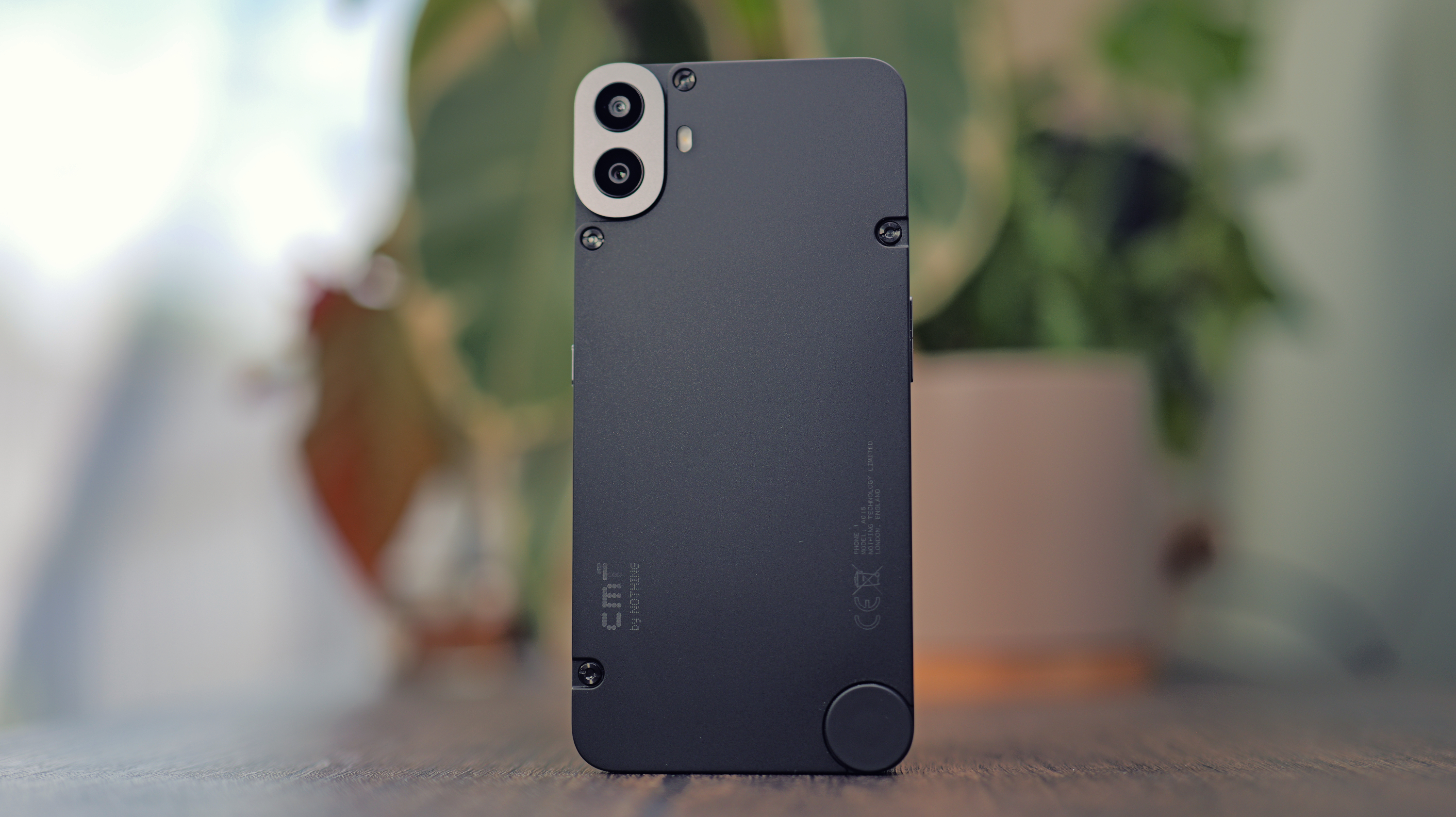
10. CMF Phone 1 – Best budget phone
Pros
- Unique, stylish design
- Bloat-free operating system
- Solid performance
- Fun accessories
Cons
- No NFC
- Limited water and dust resistance
- Simple cameras
CMF, Nothing’s sub-brand, has previously focused on wearables and audio products.
But its first attempt at a smartphone is an undoubted success, combining a fun look with solid core features and an impressively low price tag – just £209/$199.
Its design is the clear highlight, with a back panel that can easily be swapped out for a lanyard, kickstand, or card wallet, all of which CMF sells as optional extras. However, even if you don’t care about any of that stuff, the Phone 1 has strong performance and an attractive display, both of which are must-haves on a modern smartphone.
Battery life is decent, while Nothing’s unique take on Android combines a unique look with no bloatware.
The lack of NFC (and so no support for contactless payments) is the biggest potential dealbreaker, while the cameras and water resistance could do with work. Samsung’s Galaxy A15 5G or A15 4G are the cheap phones to get if you value long software support, too.
But as a complete package, the CMF Phone 1 is the best all-rounder in the budget smartphone market right now.
Your buying guide for the best phones in 2025
When choosing a phone you should consider these things: build quality and design, display, performance, cameras, battery life, software and value for money.
Generally speaking, a flagship phone in 2025 will start at around £700/$700 but can cost well over $1,000/£1,000 in some cases. On contract, you’re looking at between £30 and £50 per month on average in the UK but you can spend a lot more if you want an expensive phone and lots of mobile data.
In the US you can often find very good contract deals on phones, better than in the UK and Europe.
It’s worth noting that while this list highlights the best smartphones available right now, that doesn’t explicitly mean flagships (even though they do feature heavily here). There are entries that cross over with our mid-range and budget phone round-ups too, but earn their place here based on the capabilities and quality on offer in relation to their price.
Buying a phone outright will usually give you the best value, but we appreciate finances in the real world don’t always accommodate such big one-off purchases. If you can, you’ll obviously need a SIM card and plan, as well as the phone. If you don’t already have one, check out our best SIM-only deals.
Why you should trust Tech Advisor
Phone reviews and buying advice have been a staple of Tech Advisor’s coverage since the original iPhone was released in 2007 and Android made its first headlines in 2008.
We’ve guided you through 2G, 3G, 4G and 5G; we’ve reported on the rise and fall of Windows Phone, BlackBerry phones and LG phones.
We’ve seen smartphone makers scramble to offer the biggest, brightest, highest-resolution, fastest-refreshing, toughest, flexible, foldable and even three-dimensional displays; we’ve seen an arms race in processors and graphics in the quest for the ultimate mobile performance; a long-running game of how many cameras – and then how many megapixels – they can first squeeze on to the handset, and later hide out of sight; a push for batteries that can go – never mind all day – but all week; and new technologies that enable water resistant and vastly improve audio.
We’ve held your hand through a fascinating journey of mobile hardware, and today – some 17 years later – it’s the software smarts and once impossible-to-imagine AI capabilities that glue us to this path. We perform in-depth, real-world testing on every new Android and iPhone model that’s worth buying (dozens every single year), adopting it as our primary phone for the most authentic experience possible and making sure we are in a position to give you the best possible phone buying advice.
Smartphones buying advice
Should I buy an iPhone or Android phone?
There’s more than one mobile operating system, but really only two worth talking about: Android and iOS.
The vast majority of phones today run Android – Android 14 being the latest publicly-released version. Apple’s iOS platform, currently on iOS 18, may have a lower market share but developers almost always release their apps on iOS first. As a result of this approach, it has one of the best app stores you can find.
If you have an Android phone or iPhone and want to move to a phone running the other OS (operating system), it’s fairly easy to transfer your contacts and other select data from one to the other. What you can’t move are paid-for apps and certain app data (like WhatsApp backups), so keep this in mind if you’re considering a change of platform – and research any specific concerns you may have about the process.
Should I buy an unlocked phone?
An unlocked phone is one that is not tied to any particular mobile network operator. Buying ‘unlocked’ usually means buying the phone outright without a SIM card or contract attached.
The most important point is that an unlocked phone is almost always a better deal than buying a phone on contract – if you can afford it.
The only real exception to this is Apple’s iPhones – because of their traditional popularity, operators often subsidise the cost of buying an iPhone in order to lock you into a lucrative long-term deal.
Generally speaking, if you can afford the upfront cost of the handset, you will pay less over the life of your phone by buying unlocked.
More importantly, you are not locked into a lengthy contract. If you want a new handset at any time, you can buy one without having to up-purchase your way out of said contract or commit to another two years.
Just be sure to make certain the phone you’re getting is not locked to a certain network.
Which SIM or mobile plan should I get?
One other thing to consider is the size and shape of the SIM required for your phone. Make sure you get a nano-SIM if a nano-SIM is what your phone requires.
For the record, every phone in this list takes a nano-SIM, aside from some iPhone models in the US, which use eSIM.
But for most people, it’s best to stick with a physical SIM card for now. Most networks send you a SIM card in three different sizes, so you can just pop out the one you need.
If you’re looking for a SIM-free or unlocked phone, you probably already have a SIM card you’d like to use.
4G connectivity is still fine for most people. But if you want 5G, make sure both the phone and the SIM support it.
Post a Comment